Top Commercial Interior Design Trends - 2026
Top Commercial Interior Design Trends
2026 Design Influences
As we begin another new year, it is the perfect time to reflect on years prior before looking ahead to the future. It is always fun to reminisce on old trends, questioning some choices and backing others. With social media a buzz with 2016 throwbacks, it feels only fitting to take a brief look at what was trending a decade ago.
Thankfully, some 2016 trends have come and gone (looking at you, social media dog filters), looking back allows us to see a natural transition to where we are today. Pantone selected two shades as the 2016 Colour of the Year; Rose Quartz and Serenity – a lovely pastel duo in soft pink and calming blue. It saw the resurgence of metals (and even broke the taboo of mixing them), alongside the continued integration of raw and natural materials.
Ten years on, we’ve moved away from bold patterns and bright colours. Pantone’s 2026 Colour of the Year is Cloud Dancer, a soft off-white that reflects the simplicity and calm many spaces now aspire to. Looking ahead, we’ve identified trends – both new and evolving – that are shaping commercial design in 2026.
Bringing Nature Indoors
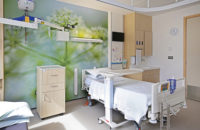
Biophilic design continues to gain momentum, as wellness takes centre stage for businesses. Research shows that exposure to natural elements can reduce stress, improve mental health, and boost productivity.
Ways to embrace this trend include:
- Introducing plants throughout the workspace
- Using natural or nature-inspired materials
- Creating outdoor workspaces and green zones for relaxation

Textured Designs
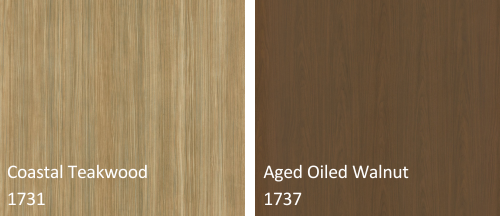
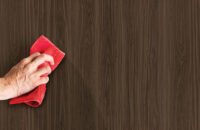
Texture is a key element in natural design, adding depth, contrast, and sophistication. Adding depth and contrast to a space, texture can be introduced through woodgrains, unlacquered brass, leather, and more, bringing warmth, dimension, and a more rounded, sophisticated design. Beyond aesthetics, textures can also stimulate touch and evoke positive associations, enriching the overall environment.
Natural Palette
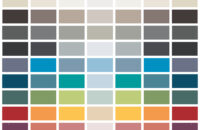
Colour continues to draw inspiration from nature. Aside from Pantone’s Cloud Dancer, designers are continuing to specify hues pulled directly from the natural environment; think deep earthy reds, dusty blues, forest greens and chocolate browns. Nothing jarring — simply comforting colours that pair effortlessly with the landscape around us. Natural doesn’t need to be boring; there are still diverse colours that bring comfort to spaces and supports the slower living many of us are gravitating towards.

Sustainable Design
Sustainability is no longer optional – it’s a global necessity. Natural materials, recycled elements, and low-impact finishes are being specified earlier in design projects. Green Star and commercial building sustainability ratings have been around for some time, however a stronger focus is now being placed on circular design.
It is also interesting to note that sustainability is not only being driven by designers and building owners – future occupants are also pushing for this shift, with many individuals citing environmental credentials as a key factor when considering job opportunities.
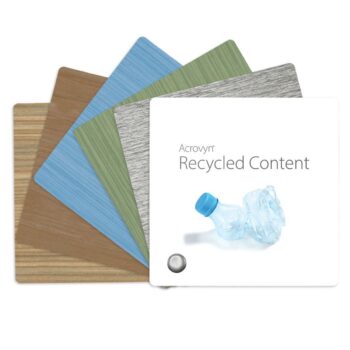
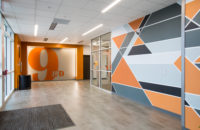
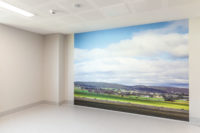
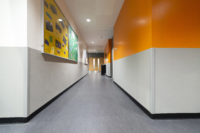
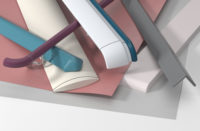
Design trends continually evolve, and watching them develop throughout the year is always exciting. In 2026, bringing nature, texture, and sustainability together will shape workplaces that are not only beautiful but also supportive of wellbeing and productivity. To learn more about how Construction Specialties can help bring your designs to life, explore our range of Acrovyn products below.








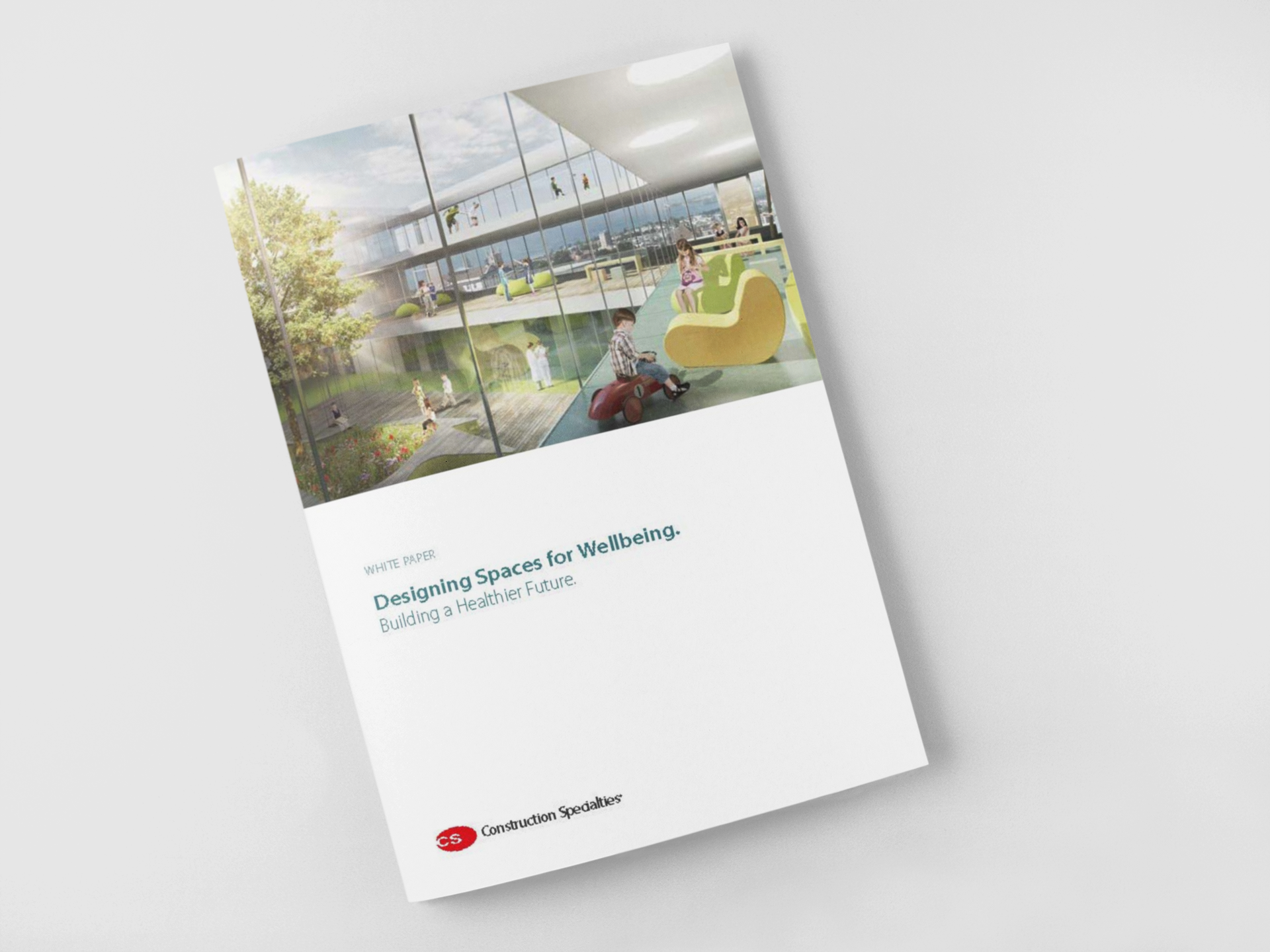
Designing Spaces for Wellbeing
This whitepaper explores the crucial relationship between architectural design and human health. It emphasises the impact of our environments on mental, emotional, and physical wellbeing, advocating for a transformative approach to space creation.
Key principles include maximising natural light, reducing noise, and integrating nature to foster comfort and health. The paper reviews historical precedents, modern advancements, and pioneering studies that highlight the benefits of wellbeing-centric design. It also examines successful case studies and evolving standards in green building, such as WELL, LEED, and BREEAM.